Stablecoins are becoming a financial pillar for Venezuela amid a protracted crisis.
Date: 2025-12-16 Author: Henry Casey Categories: IN WORLD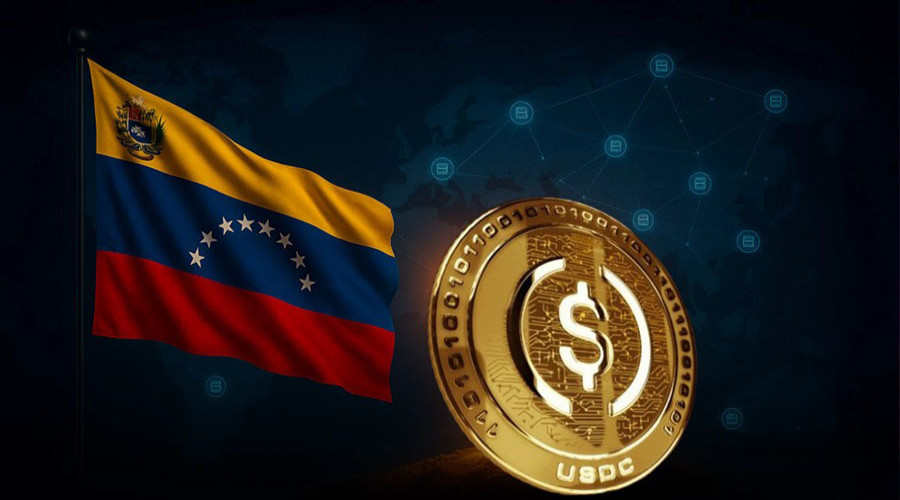
The protracted economic downturn, which has lasted in Venezuela for nearly a decade, has led to the emergence of an alternative financial environment in which digital assets have begun to play a key role. According to TRM Labs analysts, demand for stablecoins in the country will continue to grow, especially if the macroeconomic situation continues to deteriorate. The main reasons for this growth are high inflation, the devaluation of the national currency, and limited access to traditional banking services.
In their report, TRM Labs experts note that increasing geopolitical tensions and sanctions pressure have made stablecoins a convenient means of preserving value. The bolivar is rapidly losing purchasing power, and trust in financial institutions remains low, pushing citizens to seek more stable means of payment. Against this backdrop, digital dollar assets have become perceived as a practical alternative to cash and bank accounts.
Crypto market regulation remains an additional factor of uncertainty. The activities of the SUNACRIP regulator, as well as frequent changes in the government's approach to digital assets, create an unstable legal environment. Despite this, the use of cryptocurrencies at the household level continues to expand, indicating the population's high adaptability to new financial instruments.
According to the Chainalysis Crypto Adoption Index 2025, Venezuela ranks 18th globally in overall cryptocurrency adoption. However, when adjusted for population size, the country rises to ninth place. This indicates that digital assets are actively used at the household level, not just in professional or investment settings.
P2P transactions and the USDT stablecoin are particularly important in the Venezuelan crypto economy. TRM Labs analysts have recorded that over 38% of all crypto activity by Venezuelan users is concentrated on a single global platform with a developed P2P infrastructure. Through these services, Venezuelans exchange digital assets for fiat, often using informal payment methods.
In addition to international platforms, local solutions also play a significant role. These include digital wallets integrated with local banks and focused on domestic transfers and payments. These tools partially compensate for the weakness of the national financial system and provide basic transactions for the population.
TRM Labs emphasizes that the formation of the crypto ecosystem in Venezuela was not speculative. On the contrary, stablecoins have become a practical response to the economic collapse, sanctions, and the lack of financial infrastructure. For many residents, they effectively replace retail banking, being used for paying wages, sending money to relatives, settling accounts with suppliers, and making cross-border purchases.