Hackers used Binance co-CEO Yi He's account to promote a dubious memecoin.
Date: 2025-12-11 Author: Henry Casey Categories: BUSINESS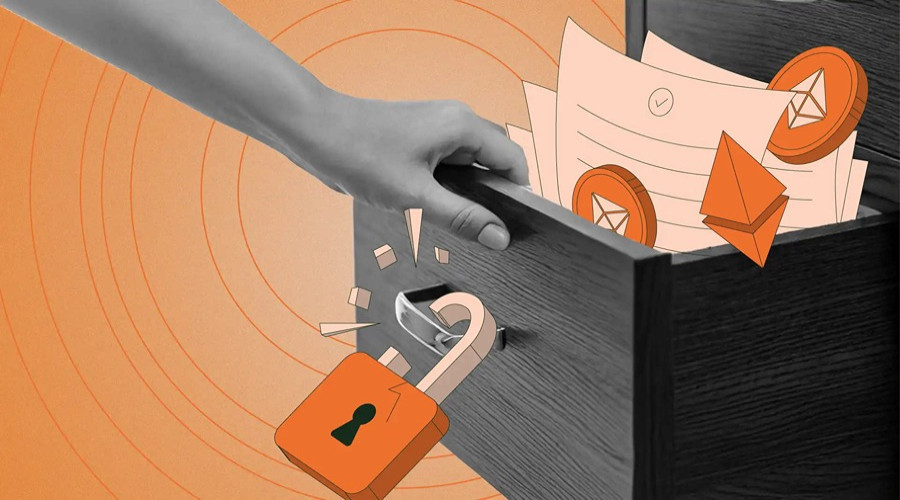
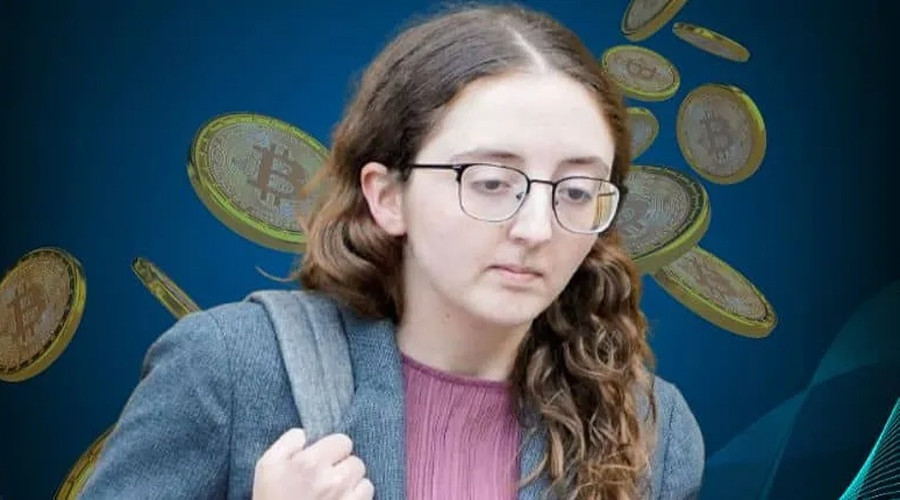
The hacking of Binance co-CEO Yi He's WeChat account resulted in her profile being used to promote a token called Mubarakah. Messages posted in her name caused a short-term but sharp increase in the coin's price. This situation allowed the hacker to quickly earn approximately $55,000, while users who trusted the fake recommendations suffered significant losses.
As noted by Lookonchain, the attacker had prepared the operation in advance: several hours before publishing the fake messages, he created two new wallets and purchased over 21 million Mubarakah tokens worth almost 20,000 USDT. After the coin's price was artificially inflated by WeChat activity, the hacker sold nearly 12 million tokens, netting over 43,000 USDT, and continues to hold onto a significant portion of the assets.
Commenting on the incident, Yi He noted that her old phone number linked to WeChat was compromised, making restoring access a lengthy process. According to her, this allowed the attackers to easily use her profile to send misleading messages, which users were likely to respond to due to their trust in her name. The account was later restored, but she warned that scammers continue to try to contact her followers, posing as "helpers" or "support."
Following the incident, Binance Co-CEO Yi He promised to compensate users who traded Mubarakah via the Binance Web3 Wallet or the Alpha platform during the hack. She stated that she would allocate her own BNB funds to provide an airdrop to those affected. However, Yi He emphasized that Binance management and employees do not support the issuance or promotion of any memecoins, and such compensation is exceptional.
Binance Co-Founder Changpeng Zhao also confirmed the hack and urged community members to be cautious about social media posts, especially when it comes to "recommendations" for token purchases.
The incident has once again highlighted the vulnerability of social media platforms, which remain a favorite tool for hackers. A number of similar attacks have occurred in recent months: the accounts of WLFI, BNB Chain, and PancakeSwap on X were hacked, after which the attackers distributed fake announcements about new projects and "official" tokens. These cases highlight the need for stricter security measures and increased user vigilance as scammers continue to exploit the influence of prominent figures to manipulate the market.