Poland Left Without Crypto Regulation: Parliament Fails to Override Presidential Veto
Date: 2025-12-08 Author: Henry Casey Categories: IN WORLD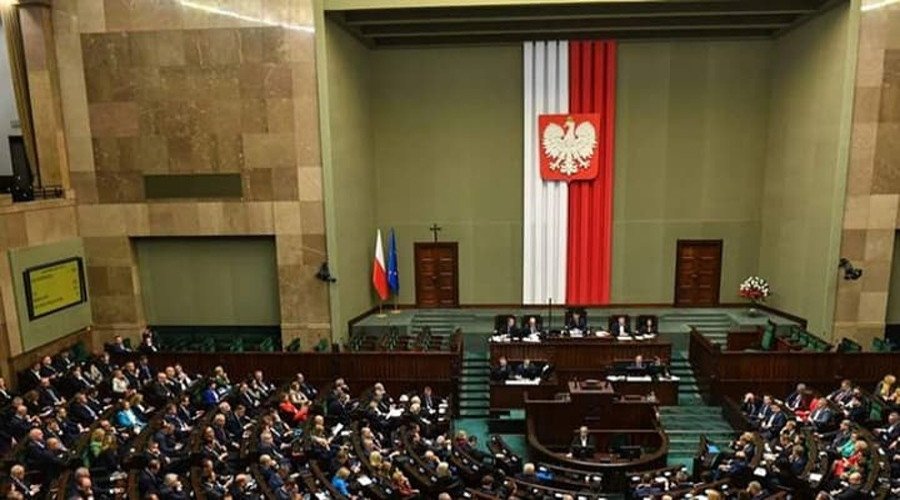
In Poland, an attempt to override a presidential veto on a bill regulating the cryptocurrency market, which would have implemented the European MiCA regulation, has failed. A minimum of a three-fifths majority of MPs was required for the bill to be re-passed in the Sejm, but the bill failed to secure the necessary number of supporters. As a result, the country remains the only EU member state where uniform European standards for the crypto industry are still not in effect.
Prime Minister Donald Tusk publicly emphasized the importance of the law ahead of the vote, calling it not just an economic tool, but an element of national security. He argued that the lack of clear oversight over the digital asset sector creates conditions for abuse, cross-border financial crime, and the activities of foreign intelligence agencies. Tusk emphasized that the country's current regulatory system is outdated and does not meet modern challenges.
The head of government also stated that, according to Polish authorities, the crypto market has already been subject to extensive external influence. This included "hundreds" of foreign entities allegedly linked to Russia and Belarus. Furthermore, the authorities link the unregulated sector to money laundering and the activity of organized crime groups. According to Tusk, the new law was intended to give the state real leverage to oversee and combat such risks.
However, Polish President Karol Nawrocki vetoed the bill back in early December 2025. He justified his decision by citing the potential harm to civil liberties, complicating business operations, and negatively impacting the stability of the financial market. The presidential administration also noted that the proposed regulatory mechanisms allegedly create an excessive burden on industry participants.
Despite the government's active support for the initiative, it failed to convince a sufficient number of parliamentarians to override the veto. As a result, the legislative pause surrounding the crypto market in Poland is protracted, and the country continues to lag behind the pan-European approach to digital finance.
The situation is also causing concern among businesses, who point to legal uncertainty as a barrier to the industry's development and investment. At the same time, some politicians believe that overly strict regulation at an early stage could stifle innovation. The standoff between those who favor tighter controls and those who advocate a more liberal approach is likely to continue in the coming months.