Ripple Labs Launches RLUSD Settlement Tests for Bank Credit Cards on the XRP Ledger Blockchain
Date: 2025-11-07 Author: Henry Casey Categories: BUSINESS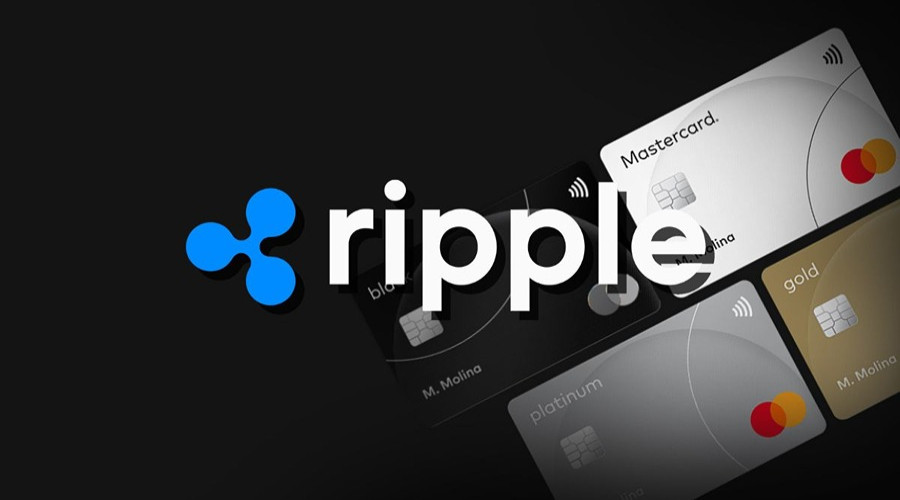
Ripple Labs, together with Mastercard, WebBank, and Gemini, has launched an initiative aimed at using its Ripple USD (RLUSD) stablecoin for credit card payments on the public XRP Ledger (XRPL) blockchain. This was announced during the Swell 2025 conference, where company representatives emphasized that the experiment could be one of the first examples of using a regulated stablecoin for fiat transactions in the banking sector.
As part of the program, WebBank, the issuer of the Gemini Credit Card, is conducting research into the feasibility of card settlements using RLUSD on the XRPL network. This move could demonstrate how blockchain can replace traditional banking payment mechanisms, making them faster and cheaper.
Ripple Labs announced that the RLUSD token in circulation has already exceeded $1 billion. The token is regulated by the New York Trust Charter and is fully backed by fiat reserves. Company President Monica Long noted that the project's goal is to introduce the speed and transparency of blockchain technology into traditional payment processes, including credit card transactions. She stated that the use of RLUSD can significantly speed up the clearing process, which takes several days in traditional systems, and also minimize costs, especially for international transfers.
Mastercard, for its part, emphasized that participation in the pilot project is in line with its long-term strategy to integrate regulated digital assets into the global payments ecosystem. Previously, in August 2025, the company launched settlements in USDC and EURC stablecoins in markets across Eastern Europe, the Middle East, and Africa.
Gemini and Ripple Labs also have experience collaborating on projects: they previously developed an "XRP version" of the Gemini Credit Card. If the current experiment receives regulatory approval, it could become a model for future programs using stablecoins for banking settlements.
RLUSD, introduced in the summer of 2024 as a tool for fast and secure interbank settlements, was initially tested on the XRP Ledger and Ethereum networks. The project is part of Ripple's broader strategy to expand its financial services. After raising $500 million in funding at a $40 billion valuation, Ripple announced its intention to become a universal financial platform.
CEO Brad Garlinghouse emphasized that the company will continue to strengthen partnerships with traditional financial institutions, particularly in the areas of custodial services, corporate treasury, and stablecoin issuance.